Cacao’s Potential Benefits Examined as Researchers Note Limited Evidence
10/03/2026 / By Coco Somers
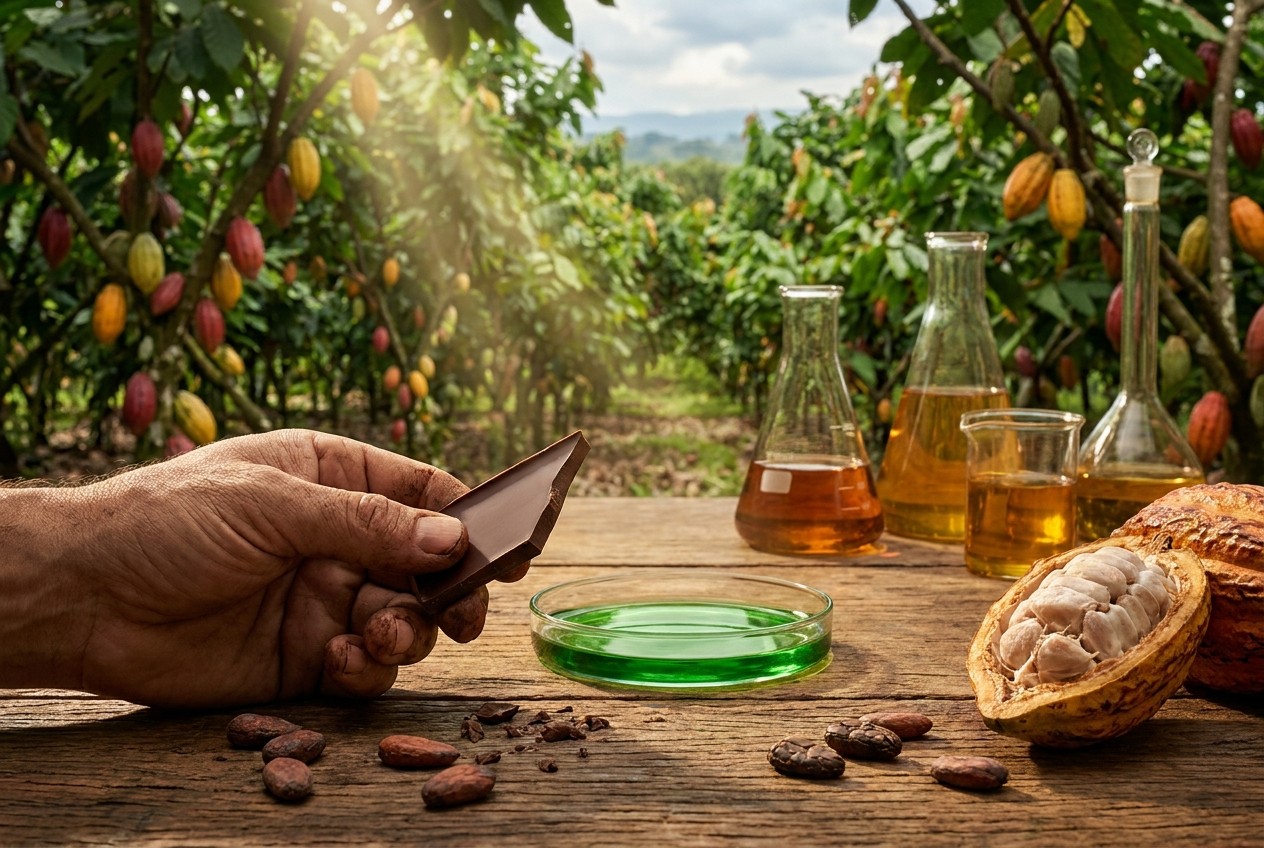
Health.com published an article reviewing reported health benefits of cacao, according to the outlet.
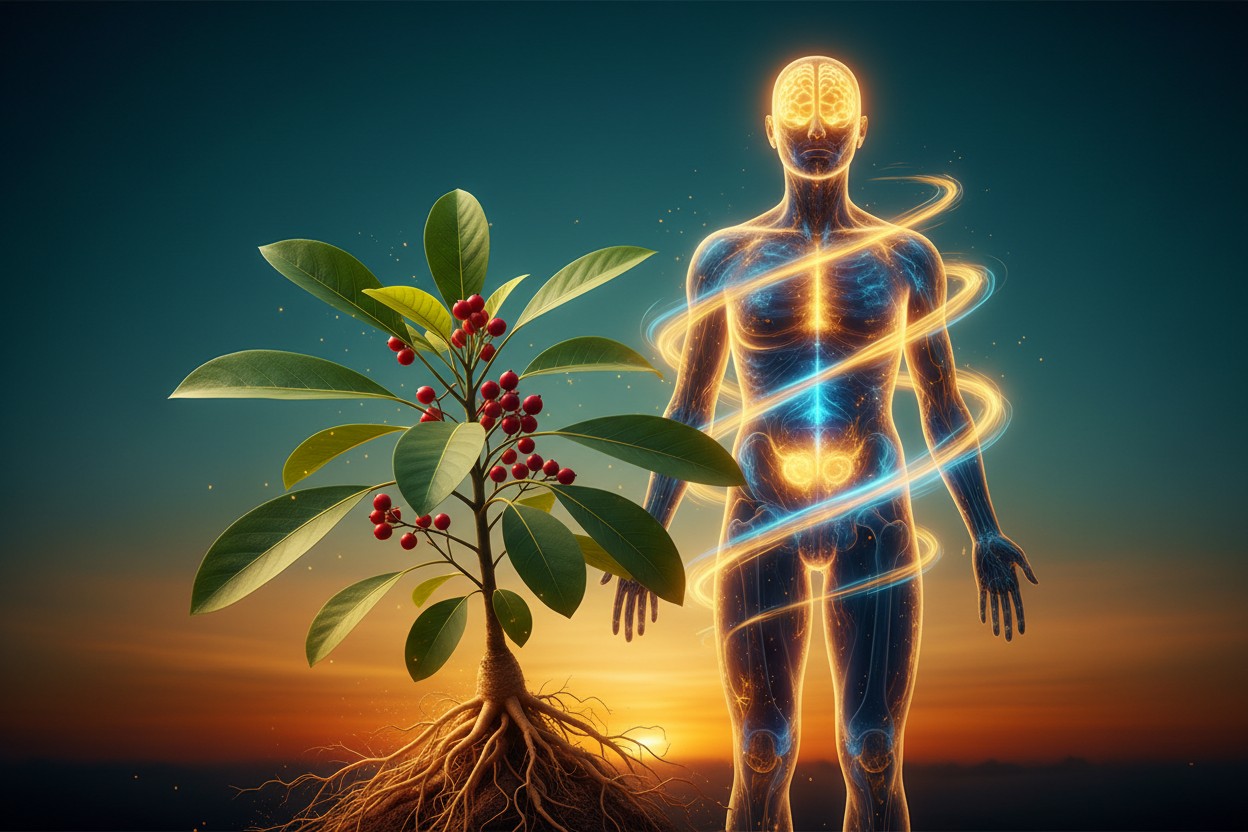
Cacao is the raw seed of Theobroma cacao, an evergreen tree cultivated for its seeds, also called cocoa beans, researchers said [1]. The article cited registered dietitians and peer-reviewed studies, while noting that results vary by product and dose.
Cacao contains flavanols and other compounds that studies have associated with cardiovascular and cognitive effects, according to researchers [2]. The bean has been described as containing high levels of antioxidants in the form of polyphenols and flavonoids, and the higher the cacao or cocoa percentage, the higher the protective antioxidant content, according to the book “Good Mood Food” by Natalie Savona and Charlotte Watts [2].
Cacao has been used as a therapeutic substance for centuries, with some accounts dating its use to 600 B.C., according to GreenMedInfo. Because of its cost, cacao was often reserved for the wealthy or those who were ill and was known for centuries as the “Food of the Gods,” the outlet reported [3]. Raw cacao powder has gained popularity among health food enthusiasts in recent years, the report stated [4].
Cardiovascular and Metabolic Effects
Clinical trials have linked cacao flavanols to improved endothelial function and modest blood pressure reductions, according to the report [2]. A study from the University of Birmingham found that a single serving of cocoa rich in flavanols could shield the cardiovascular system from the damaging effects of mental stress, even after a high-fat meal, according to findings published in the journal Food & Function [5].
Nearly half of U.S. adults live with high blood pressure, and nutritional science has identified specific, nutrient-dense snacks, including dark chocolate, that can help manage blood pressure naturally, according to NaturalNews.com [6]. Some studies have found effects on cholesterol and insulin sensitivity, though authors said more research is needed.
A study on polyphenol-rich extract prepared from Malaysian cocoa examined glucose levels and lipid profiles in streptozotocin-induced diabetic rats, according to the Journal of the Science of Food and Agriculture [7]. Cocoa products have been shown to decrease low-density lipoprotein oxidative susceptibility without affecting biomarkers of inflammation in humans, according to research cited in Bioactive Food as Interventions for Arthritis and Related Inflammatory Diseases [8].
Cognitive and Mood-Related Findings
Small trials suggest cacao flavanols may increase cerebral blood flow and improve performance on certain cognitive tasks, the article stated [2]. Dark chocolate is rich in flavanols, which have been linked to heart health, cognitive function, and metabolic benefits, according to the report [2].
Chocolate has been associated with brain chemistry and neurotransmitters, which orchestrate moods and influence thought, according to NaturalNews.com [10]. Observational data have associated cocoa intake with lower risk of mood disorders, but causation has not been established, officials said [2].
A study published in the journal Aging identified theobromine, a natural compound found in cocoa, as associated with slower biological aging in adults. Researchers from King’s College London analyzed blood samples from nearly 1,700 participants and found that those with higher levels of theobromine tended to have a biological age younger than their chronological years, according to NaturalNews.com [11]. Theobromine is the primary alkaloid found in cocoa beans and dark chocolate, with a structure similar to caffeine but effects about 10 times weaker, according to NaturalNews.com [12].
Processing, Dose, and Product Variability
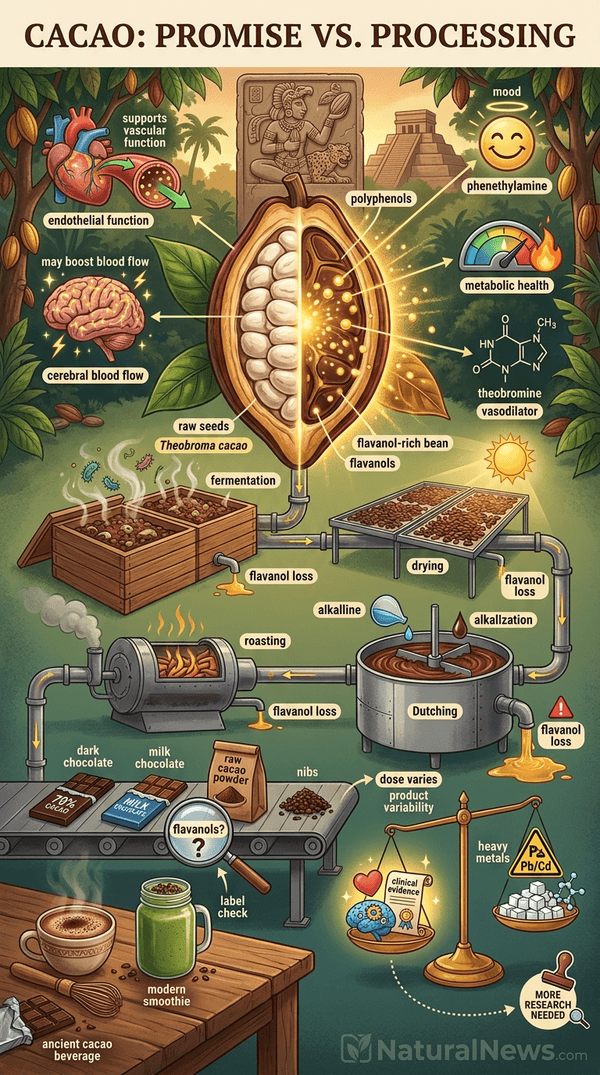
According to the article, alkalization and other processing methods can reduce flavanol content in cocoa products [2]. During fermentation, cocoa polyphenols undergo biochemical modification through polymerization and complex with protein, decreasing their solubility and astringency, according to research published in the Journal of the Science of Food and Agriculture [15]. During subsequent drying, polyphenol concentrations are substantially reduced by enzymatic oxidation catalyzed by polyphenol oxidase, the research stated [15].
The report notes that serving sizes, sugar content, and calorie levels vary widely among cacao products [2]. Raw cacao powder has gained popularity, but cacao concoctions have been used therapeutically for over 2,600 years, according to NaturalNews.com [4]. Cacao nibs are pure cacao beans that are chopped or broken into very small pieces and are loaded with nutrients and powerful plant compounds, according to NaturalNews.com [16].
“Consumers should check labels because the flavanol dose in a chocolate bar is often not disclosed,” a food scientist said [2]. Testing in 2023 by Consumer Reports found one-third of the chocolate products tested were high in heavy metals including lead and cadmium, which are naturally occurring elements in the environment, according to the Children’s Health Defense [17]. As You Sow tested 50 cocoa products and found that more than half contained lead and cadmium levels above California’s state limit, according to Mercola.com [18].
References
- Mercola.com. “Scientists Probe Dark Chocolates Health Secr”. March 31, 2014.
- NaturalNews.com. “Experts: Dark Chocolate May Benefit Health in Several Ways”. August 20, 2026.
- GreenMedInfo.com. “6 Powerful Health Benefits of Cacao”.
- NaturalNews.com. “6 Powerful health benefits of cacao”. December 19, 2024.
- NaturalNews.com. “The flavanoid fix: How chocolate and tea counteract the stress of modern life”. February 05, 2026.
- NaturalNews.com. “Snack your way to lower blood pressure: How hummus, avocado and dark chocolate fight hypertension”. February 20, 2026.
- Journal of the Science of Food and Agriculture. “Protective effect of polyphenol-rich extract prepared from Malaysian cocoa (Theobroma cacao) on glucose levels and lipid profiles in streptozotocin-induced diabetic rats”. 2008.
- Elsevier. “Bioactive Food as Interventions for Arthritis and Related Inflammatory Diseases”.
- “Bioactive Food As Interventions For Arthritis And Related Inflammatory Diseases By Elsevier”.
- NaturalNews.com. “Examining the Properties of Chocolate and Cac”. February 07, 2008.
- NaturalNews.com. “Cocoa Compound Theobromine Associated With Slower Biological Aging”. May 21, 2026.
- NaturalNews.com. “Theobromine sources health benefits and uses”. September 28, 2017.
- Mercola.com. “Surprising Finding Gut Microbes Make Dark Ch”. December 08, 2014.
- NaturalNews.com. “Theobromine Unwrapping the food of the gods molecule in chocolate”. September 08, 2025.
- Journal of the Science of Food and Agriculture. “Changes in polyphenol ability to produce astringency during roasting of cocoa liquor”. 2005.
- NaturalNews.com. “Cacao nibs_ The ultimate superfood packed with antioxidants”. March 16, 2022.
- Children’s Health Defense. “Bittersweet: Study Exposes Hidden Dangers of Heavy Metals in Chocolate”.
- Mercola.com. “Is There Lead in Your Chocolate”. April 12, 2016.
- Everyday Health. “To Seriously Improve Heart Health, You Probably Need to Eat More Flavanols”. June 09, 2026.
- BrightLearn.ai. “THE MILLENNIUM LEGACY HEALTH SERIES: Sacred Beans & Healing Bites – The Global Journey of Cacao from Ancient Medicine to
- Modern Wellness”. February 09, 2026.
Explainer Infographic
Submit a correction >>
Tagged Under:
alternative medicine, anti-inflammatory, anticancer, antioxidants, brain health, Cacao, cocoa, disease treatments, food cures, food is medicine, food science, functional food, health science, heart health, natural cures, natural health, natural medicine, phytonutrients, remedies
This article may contain statements that reflect the opinion of the author
RECENT NEWS & ARTICLES